
Our History
Our Beginnings
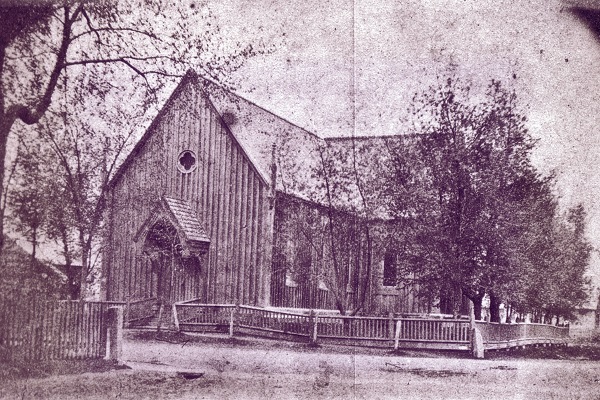
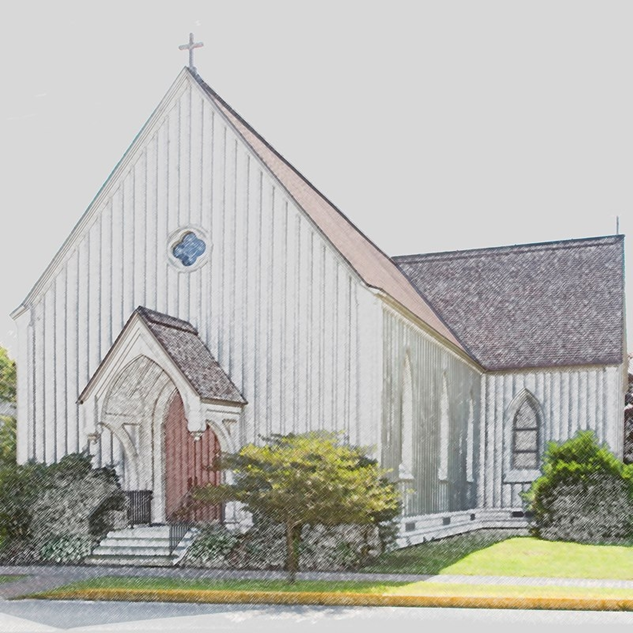
In 1844, St. Paul’s was founded as a “mission” to serve a few local Episcopalians, with hopes of attracting more in the growing town of Brunswick. People outside of Maine joined local supporters to fund the church building. Designed by prolific church architect Richard Upjohn, the building was finished in 1845.
Growing With Brunswick
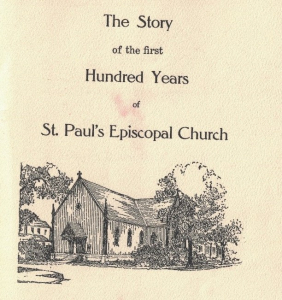
Growth in the next 150 years was irregular, until the boom in church participation after World War II. Personnel from the Brunswick Naval Air Station and staff and students from Bowdoin College joined townspeople at St. Paul’s as our programs and activities grew.
A Legacy of Service
Multiple local nonprofits got their start at St. Paul’s and we still support them today. The longevity in which St. Paul’s has tended to local social issues is at the core of who we are and how we show up in our local community.

Confronting Our History
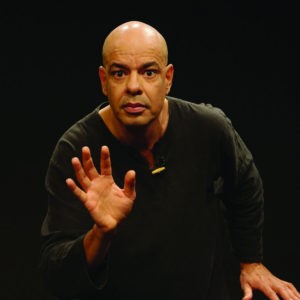
In 2022, parish volunteers researching our history discovered that an early Vestry member and donor to its building fund, Joseph Badger of Brunswick, owned two ocean-going vessels that engaged in the slave trade. The history of one of the ships was enacted by storyteller Antonio Rocha in A Slave Ship Called Malaga on March 25, 2023, at St. Paul’s, the first public performance of Antonio’s production. The church has funded additional performances in local schools, part of our active participation in the Episcopal Church’s anti-racism program, Sacred Ground.
Continuing the Work
We continue the work of acknowledging our past and learning how we can effect change in regards to racial justice by way of our ongoing Sacred Ground program and other initiatives. Through this journey we trust that we are part of building a more just world through God’s love of humanity. You’re invited to join us!